Making the case for the use of typhoid conjugate vaccine in Madagascar: A decade-long collaboration between IVI and the University of Antananarivo
10 years ago, typhoid fever was not a public health issue in Madagascar—or so it seemed. With non-specific symptoms common to a host of other febrile or gastrointestinal illnesses and the need for blood culture sampling to make a definitive diagnosis, the potentially life-threatening bacterial infection was not on the government’s radar. This was the case not only in Madagascar, but in many areas across sub-Saharan Africa. Historically, typhoid fever had been associated with densely populated urban environments in South Asia, accounting for an absence of data and awareness of a problem in other regions and settings.
This knowledge gap prompted the World Health Organization to call for more epidemiological information in Africa. In 2010, following a stakeholder meeting in Kilifi, Kenya, the International Vaccine Institute (IVI) responded with TSAP, or, Typhoid Fever Surveillance in Africa, the first of a series of grants awarded by the Bill & Melinda Gates Foundation to investigate whether—and to what extent—typhoid fever constituted a substantial burden in sub-Saharan countries that would require further investigation or the implementation of preventive measures, including vaccination.
The surveillance study recruited 13 sites from Burkina Faso (two sites), Guinea-Bissau, Ethiopia, Ghana, Kenya, Madagascar (two sites), Senegal, South Africa, Sudan, and Tanzania (two sites) to estimate the incidence, or rate of new cases, of typhoid fever. These sites were not random, explains Dr. Florian Marks, Deputy Director General of IVI’s Epidemiology, Public Health, and Impact Unit (EPIC), but selected based on whether they already had population-based surveillance in place and/or access to laboratories with blood culturing capacity. Dr. Marks has led IVI’s typhoid surveillance program in Africa since the launch of TSAP.
While sites in other countries had health and demographic surveillance systems, Madagascar was not well equipped with laboratory capacity and diagnostics. “But, they had a unique advantage…Prof.,” says Dr. Marks.
“Prof.” is Prof. Raphaël Rakotozandrindrainy, a highly regarded and singularly dedicated investigator who has been involved in infectious disease and vaccine research through the University of Antananarivo for over a decade. “I have rarely seen a person so passionately driven to improve the lives of the people in a country,” Dr. Marks adds.
Together, Dr. Marks and Prof. Raphael visited nearly 30 health care centers in and in the vicinity of the capital city of Antananarivo. “It was clear there was disease, but without proper diagnostics, it was impossible to accurately capture the epidemiological landscape,” says Dr. Marks. “Madagascar was an under-diagnosed setting.”
The first year of TSAP in Madagascar didn’t yield a lot of new insights. Setting up the infrastructure took time. Between the two hospitals, the team detected one or two cases of typhoid fever. “We were looking in the wrong place,” recalls Dr. Marks. But even with the selection of new sites, there remained an underlying challenge: with the prevailing—and not unfounded—assumption that hospitals lacked both doctors and medicines to properly diagnose or treat illness, patients were not actively visiting these health care centers.
“We made the decision that if someone presents with typhoid fever, we pay for the treatment,” says Dr. Marks. This decision and the move to staff more medical personnel at these sites encouraged people to seek health care and take part in the surveillance study.
“With more doctors on site, we received more patients, and with more patients, we found more typhoid.”
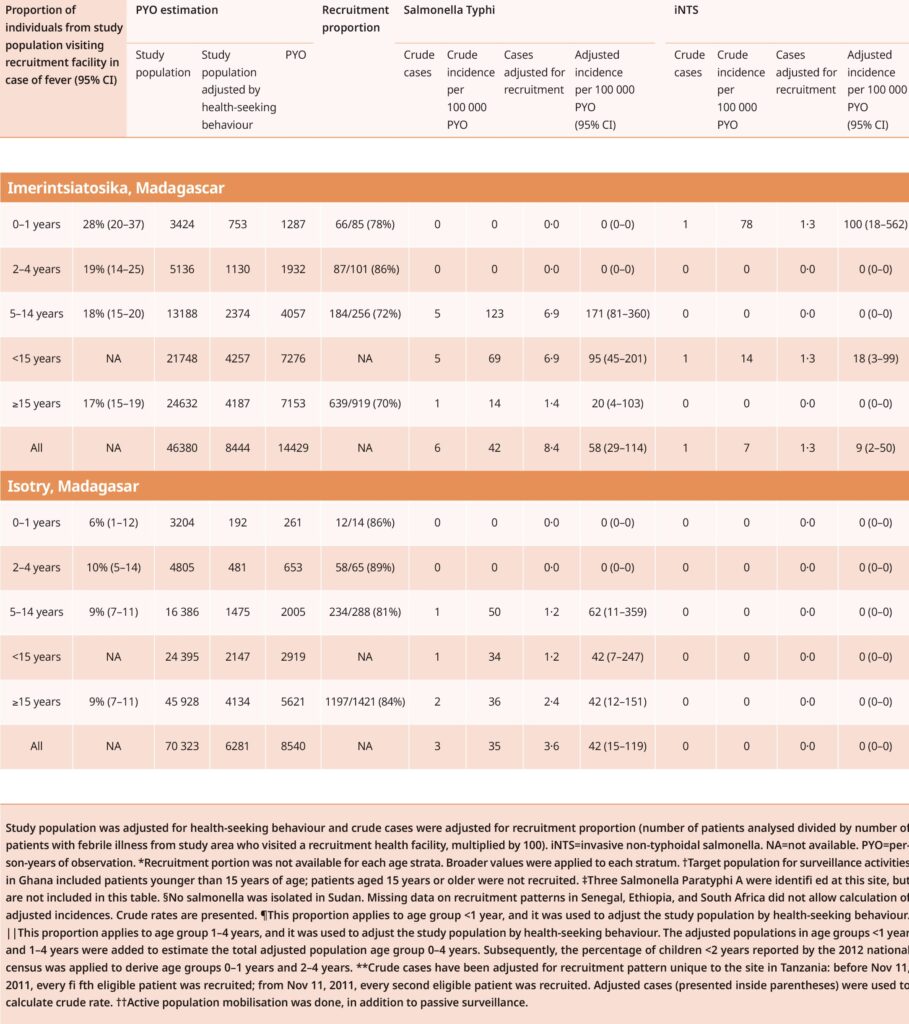
Today, the data tells a different story—a more accurate one. Based on epidemiological evidence collected through TSAP and its successive studies Severe Typhoid in Africa (SETA) and SETA Plus, Madagascar would now be considered a “high-burden” country, a category that signifies a typhoid fever incidence of more than 100 cases for every 100,000 persons a year.
Invasive salmonella infections across sites in the Typhoid Fever Surveillance in Africa Program
The data collected through TSAP helped shape a WHO recommendation in 2018 to use typhoid conjugate vaccine (TCV) as a means to control outbreaks and reduce disease burden in typhoid-endemic countries, particularly for babies and other high-risk groups. This recommendation is critical for national regulatory agencies, explains Dr. Birkneh Tilahun Tadesse, Associate Director General of EPIC and Head of the Real-World Evidence Department at IVI, as they build a case for introducing TCV in their countries’ routine immunization programs. He continues, “In the case of typhoid, IVI not only contributed a robust package of epidemiological data to show the burden of disease in sub-Saharan Africa, but in countries like Ghana and the Democratic Republic of the Congo, we went a step further to show the real-world impact of TCV vaccination in reducing that burden.”
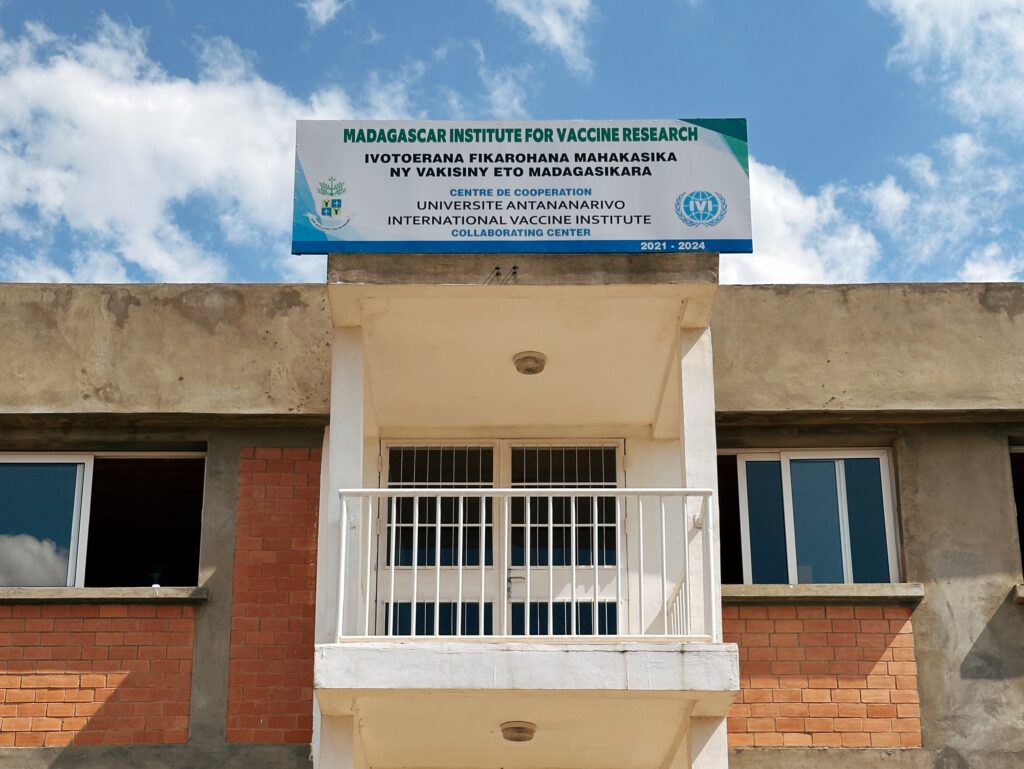
To help the Malagasy government make an informed decision about TCV introduction, IVI partnered again with Prof. Raphael and his team at the Madagascar Institute for Vaccine Research (MIVR), University of Antananarivo to determine how well TCV protects communities in high-burden settings.
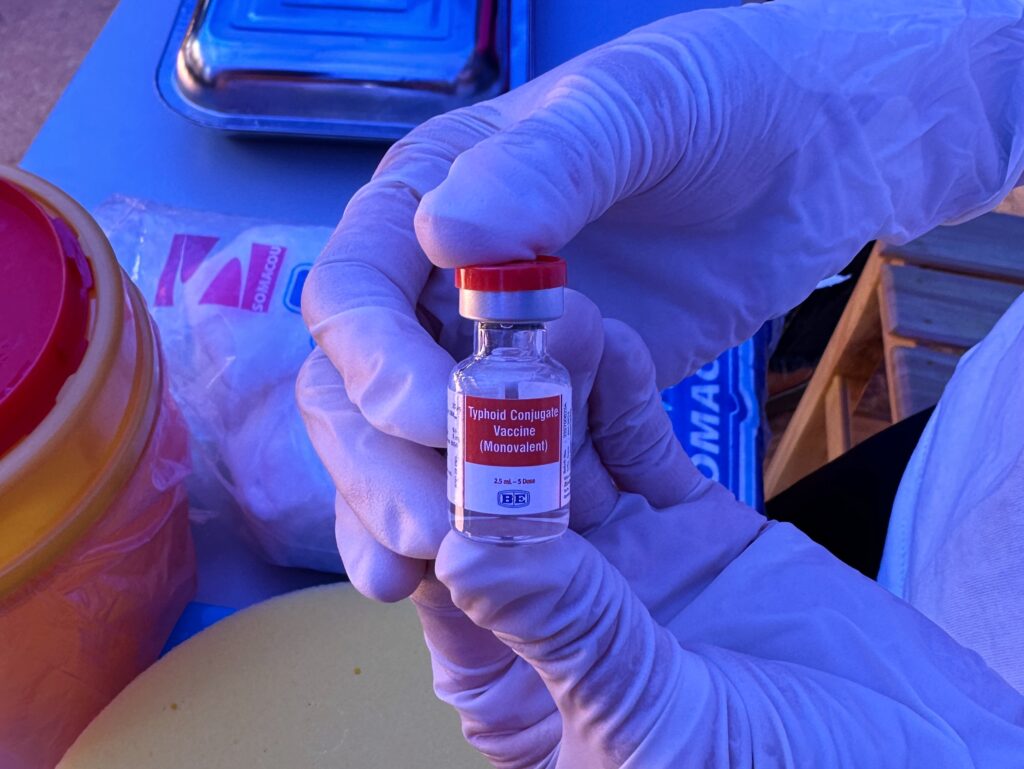
The Typhoid Conjugate Vaccine Introduction in Madagascar (TyMA) project kicked off in 2020 to evaluate the real-world effectiveness of TCV through a vaccination project. The aim is to vaccinate all babies and children between 9 months and 16 years using Vi-CRM197 (trade name TYPHIBEV®, manufactured by Biologicals E Limited), a TCV pre-qualified by the WHO, in the Arivonimamo and Antananarivo-Atsimondrano districts of Madagascar.
Dr. Natasha Rickett, Associate Research Scientist at IVI and Technical Lead of the TyMA project, notes the importance of amassing more long-term safety and immunogenicity data in African populations, especially in children under two years old. “The goal is to show the government of Madagascar that we have a safe and effective vaccine against typhoid,” she says. “Then, we hope to see TCV rolled out nationally in the near future.”
A unique aspect of this study looks also at the impact of vaccination on antimicrobial use and consumption in the communities and at healthcare facilities. “We expect to find supporting evidence that disease prevention through vaccination reduces the use and misuse of antibiotics,” explains Dr. Rickett. With a rise in drug-resistant typhoid, vaccines, then, may play a critical role in both preventing the spread of drug-resistant strains of typhoid and reducing overall reliance on antibiotics.
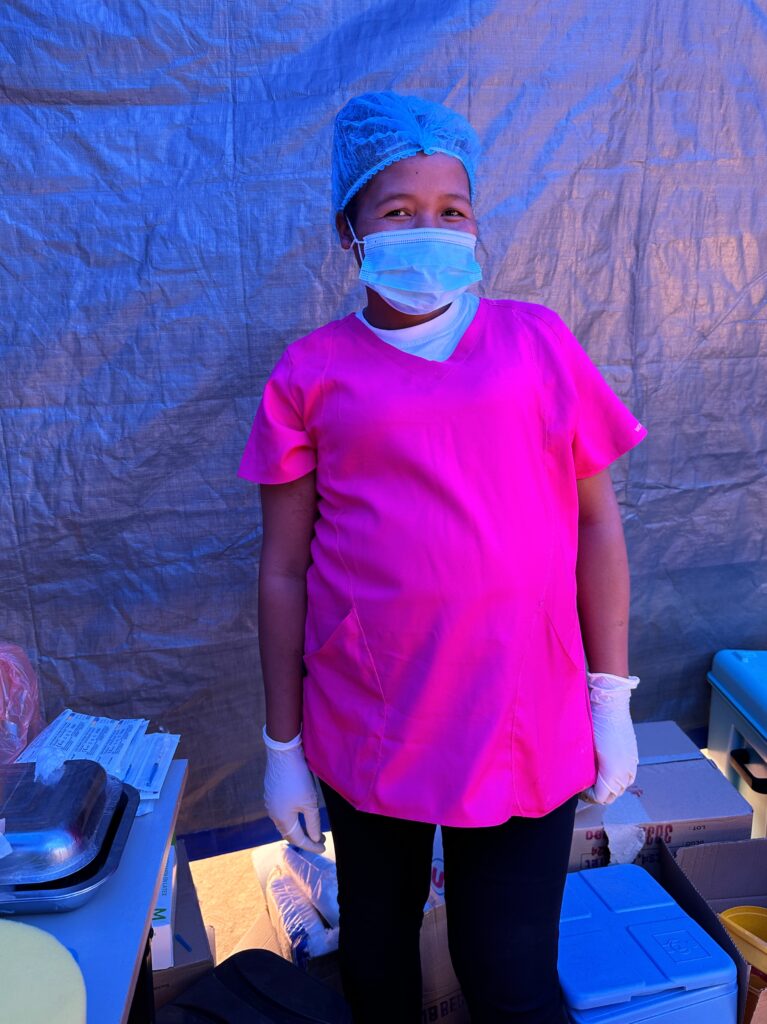
In the lead-up to the vaccination campaign, IVI conducted “train the trainers” sessions with MIVR researchers and clinicians who in turn trained community volunteers who would help recruit participants and TyMA nurses working on-site. “We spent 10 months ensuring all of the sites were fully equipped with everything from vaccine fridges to cotton swabs and that the health workers were trained in every aspect of the study protocol,” says Dr. Rickett.
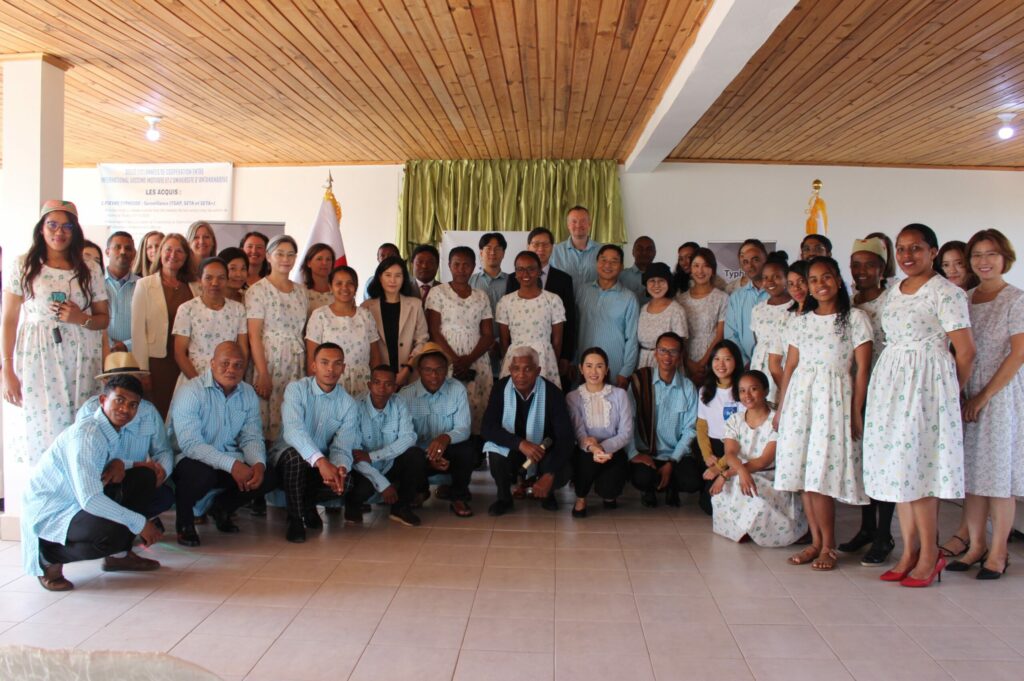
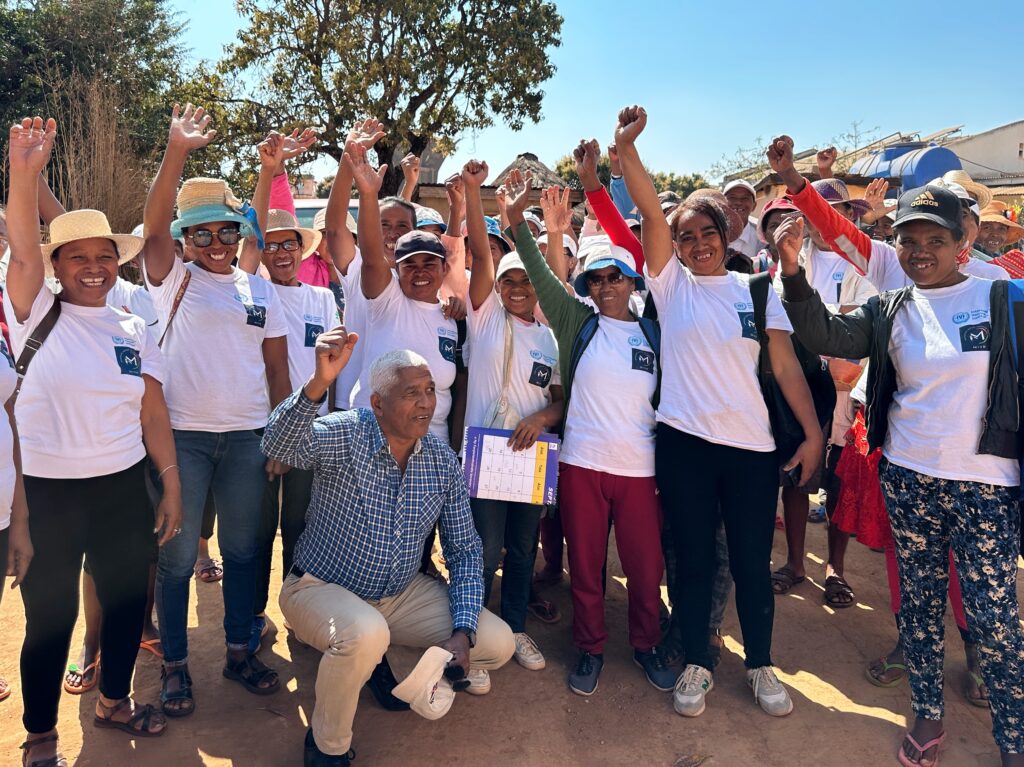
It all came together on August 21, 2023, when IVI and MIVR officially launched the start of the TyMA vaccination project. At the opening ceremony, Prof. Raphaël stressed that 12 years of research collaboration and capacity-building made this campaign possible.
“We are not only protecting nearly 60,000 children in Arivonimamo and Antananarivo-Atsimondrano but helping build an evidence-based case to register TCV in Madagascar,” he said. “We will continue until all Malagasy children are protected against this vaccine-preventable disease.”
The Ambassador of the Republic of Korea to Madagascar attended the opening ceremony, expressing his support for the long-standing research collaborations between Korea and Madagascar, as well as Dr. Young-Chul Sung, Professor at Pohang University of Science and Technology. Prof. Sung made a private donation to IVI in 2019 through the Korea Support Committee for IVI, funding the entirety of the TyMA project and other IVI-led typhoid vaccination campaigns.
“I am so happy to be here,” he said. “I congratulate Dr. Marks, Prof. Raphael, and their team members for their exceptional work in ensuring the success of today’s campaign. For the past 30 years, it has been my dream to develop novel vaccines against preventable infectious diseases and make a tangible difference in improving the lives of children around the world.”
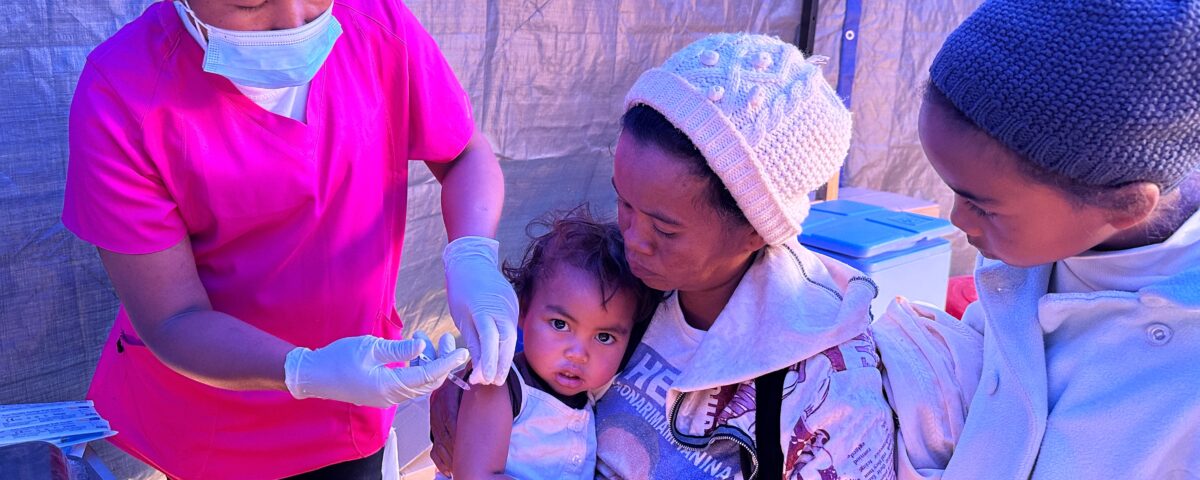
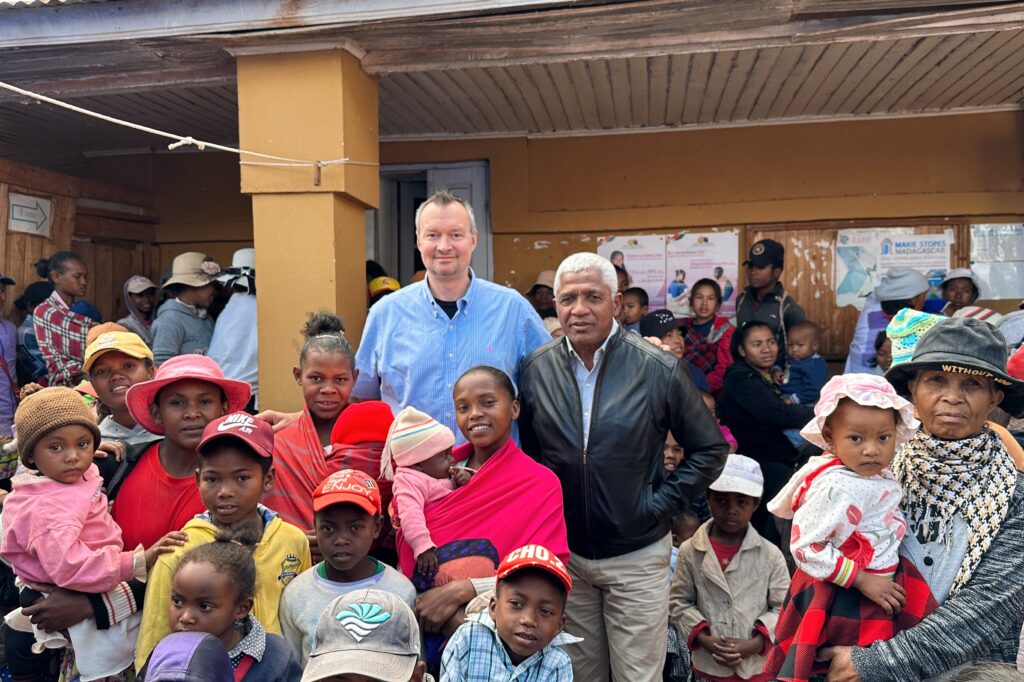
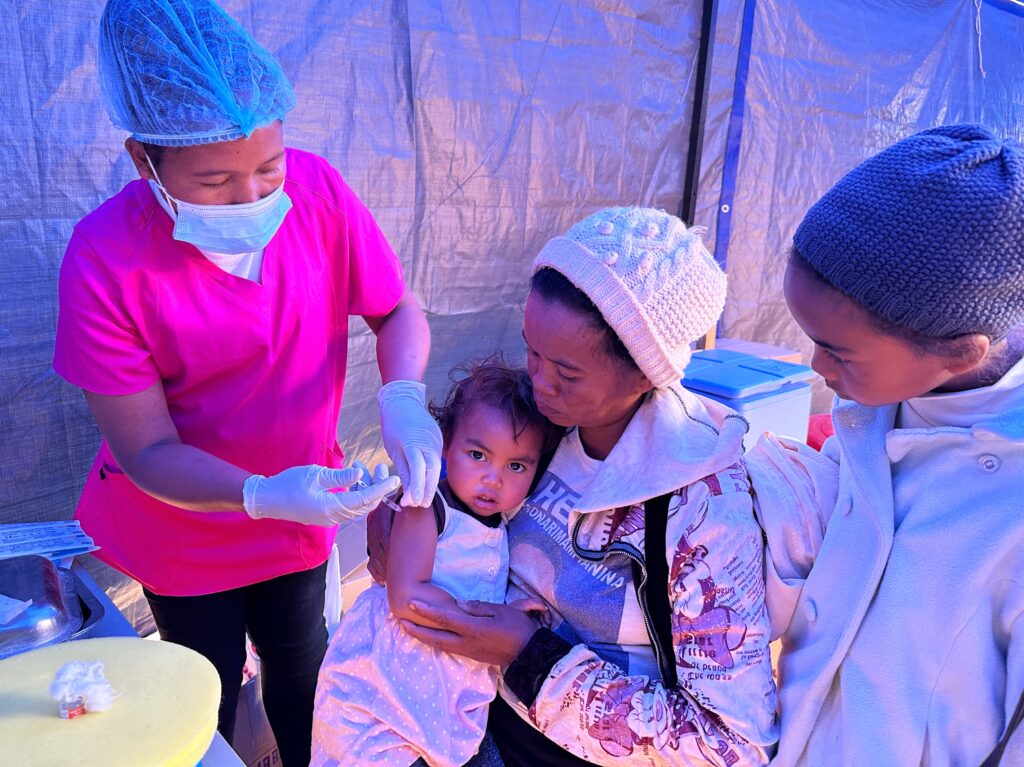
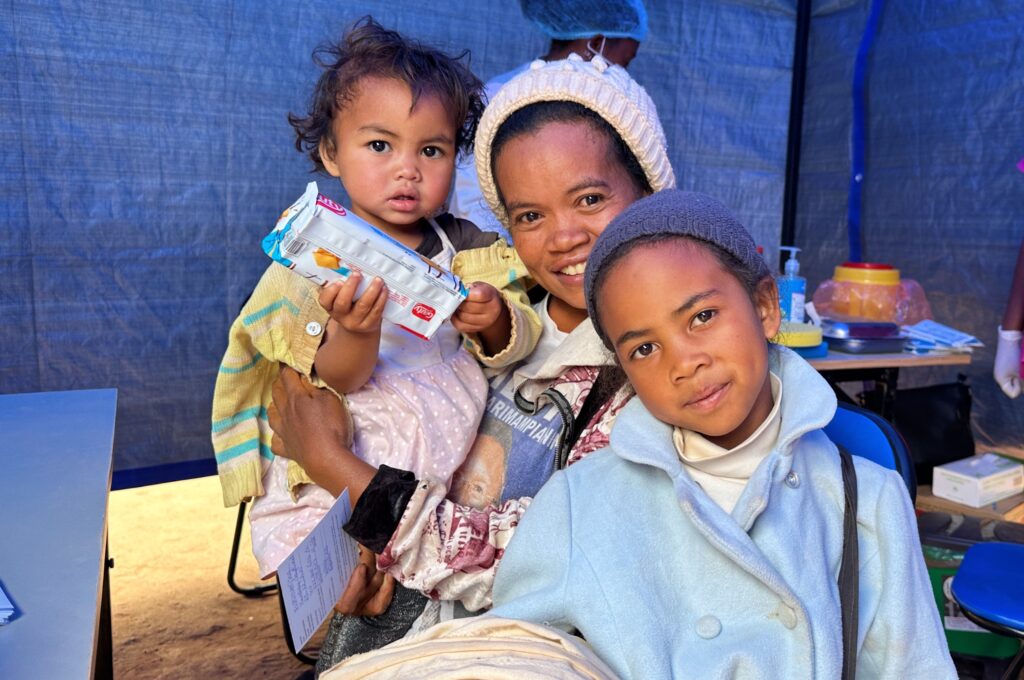
On the first day of the campaign, 57 children were vaccinated at Imerintsiatosika CSBII. Prof. Raphaël shook the hand of nearly every parent and grandparent who brought their infants and children to receive the vaccine. The atmosphere was joyous, punctuated by sharp cries when nurses went to tuck a long thermometer under the arms of nervous babies to check their temperature prior to vaccination.
“I am extremely pleased by today’s turnout. We were all worried that few people would show up to the vaccination centers,” Prof. Raphaël said. “But tomorrow, I will buy a digital thermometer.”
Alongside facility-based surveillance at the six CSBII sites, the TyMA team will actively follow up with a proportion of participants through household visits as a measure of ensuring accuracy in estimations of vaccine effectiveness. With critical new data, TyMA will work closely with Madagascar’s recently formed National Immunization Technical Advisory Group to accelerate TCV introduction and apply for support from Gavi to roll out TCV nationwide.
by Aerie Em
Last updated November 19, 2023