
Chikungunya Virus Global Stakeholders Meeting
Chikungunya Virus Global Stakeholders Meeting
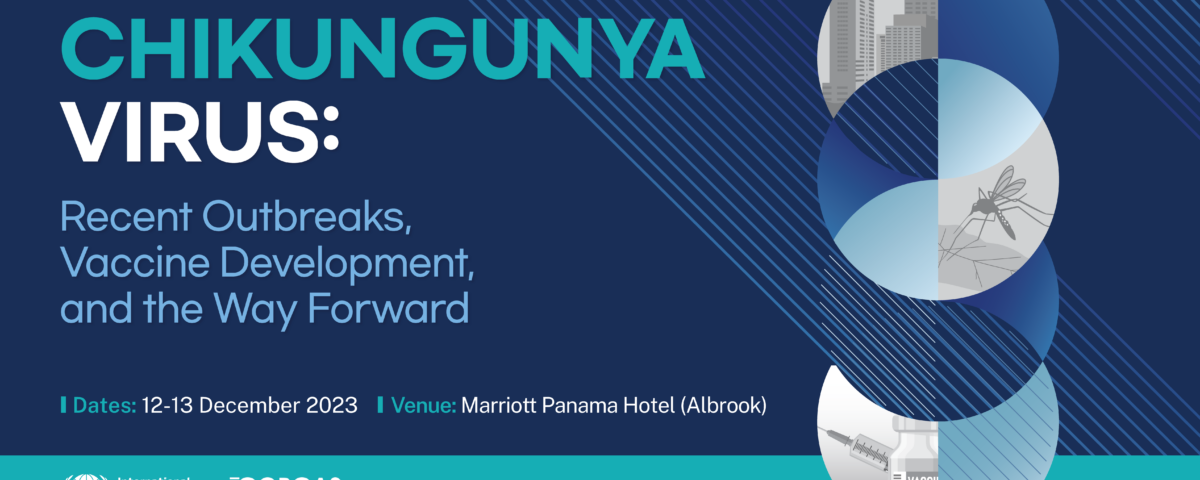
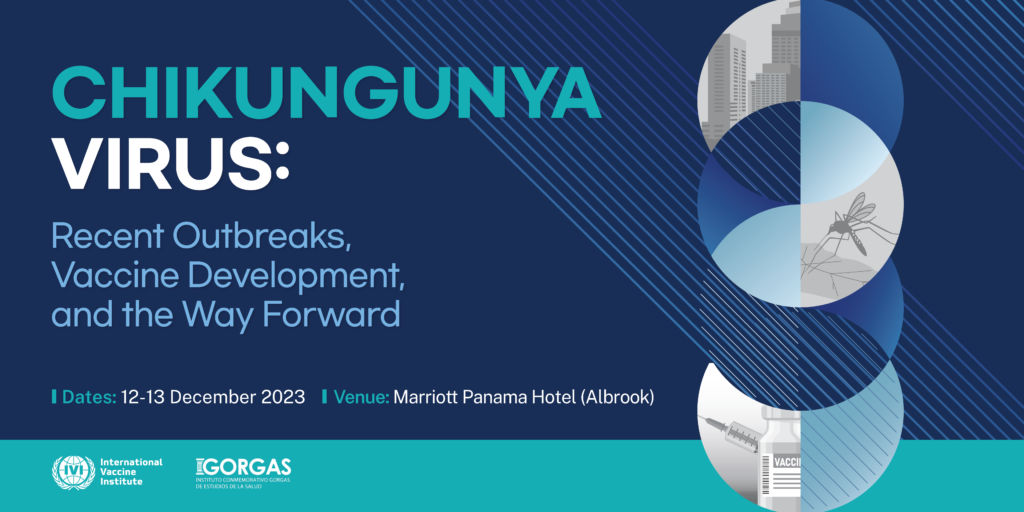
IVI and the Gorgas Institute are co-organizing the first global stakeholder meeting on chikungunya vaccine development, a share-out of the current standing of vaccines in development and the gaps that may pose challenges to their availability and accessibility.
Chikungunya is a viral disease spread to humans by infected Aedes mosquitoes, causing fever, severe joint and muscle pain, headache, and fever. Although chikungunya is not a fatal disease, the resulting joint pain is often debilitating and can persist for weeks to years. Chikungunya-virus-carrying mosquitoes are endemic to tropical regions of the Americas, Africa, and Southeast Asia, though climate change and rising temperatures are potentially creating more habitable areas, putting more people at risk of infection.
While there is not yet a specific drug to protect against or treat the disease, there are a number of vaccine candidates in the pipeline—with one recently approved by the US FDA in November 2023.
With chikungunya emerging as a threat to global health and new vaccines on the horizon, Chikungunya Virus: Recent Outbreaks, Vaccine Development, and the Way Forward brings together stakeholders across government, research and development, and industry to map a comprehensive landscape of the problem of chikungunya and its sustainable solutions. From vaccine research to disease and economic data, policy, regulatory, and financing, this first global stakeholder meeting aims to advocate for the recognition, approval, and support of a global chikungunya virus vaccine agenda.
Key discussion topics will include:
- Understanding chikungunya disease burden in Latin America and globally
- Updates on vaccines in the development pipeline
- Perspectives on policy, financing, and demand for chikungunya vaccines
- Current gaps ahead of the near availability of chikungunya vaccines
- Ways forward to address these gaps at global, regional, and country levels