After a brief introduction, Webinar 2 began with ‘Feedback on preparatory work’ outlined in Webinar 1:
- To form Evidence Briefs for Policy (EBP) core team (with assigned roles/tasks)
- To identify relevant stakeholders involved in or affected by AMR in your country
The EBP Team is responsible for developing the EBP and conducting key informant interviews (KIIs), hence an appropriate mixture of expertise is key to a successful team, including members with experience in: methods of writing an EBP; administration; evidence search, appraisal and synthesis; technical expertise on the topic being addressed in the EBP; and communication. Each country must also appoint an EBP steering committee to support the EBP development process, comprising: 4-6 multisectoral, multidisciplinary and high-level stakeholders from government/policy-makers/researchers knowledgeable in the topic and able to contribute to the development of the EBP for AMR.
Each of the four countries reported briefly on the steps taken to form the Core Team, Steering Committee, and in identifying AMR stakeholders (some countries had also informed RADAAR/EVIP prior to the Webinar via email).
Following reporting, the Webinar focused on the next two (of 15) training sessions:
Session 5. Understanding the political and health system and outlining key areas to keep in mind when mapping the policy and political context including: the importance of context-specific and actionable evidence, in particular the political/policy context (e.g., characteristics of government structures, civil service – and interests of – policy-making stakeholders, societal values and external factors, such as social and economic); and health system context (e.g., evidence on health system inputs, processes, and outputs and the analysis of how they combine to produce outcomes, such as – the WHO defined – service delivery, health workforce, information, medical technologies, finance, and leadership/governance).
Session 6:Stakeholder mapping including: on stakeholder interests, i.e., concerns over how a policy may impact them; their positions, i.e., degree of agreement or disagreement with the policy; and their power, i.e., capacity to influence policy. The steps in stakeholder mapping include: defining the goal and implications of the proposed policy change; listing interest groups involved in the issue; categorizing stakeholders according to their influence and power over, and level of interest in the issue; determining a strategy to engage relevant stakeholders; conducting KIIs; and presenting stakeholder analysis.
Stakeholders identified include: decision-/policy-makers (e.g., ministries, government agencies, parliamentarians, municipalities); influencers (e.g., NGOs/CSOs, religious leaders, media, private sector); and the public (e.g., those affected by AMR).
A case example from Ghana was presented to highlight the steps in stakeholder mapping.
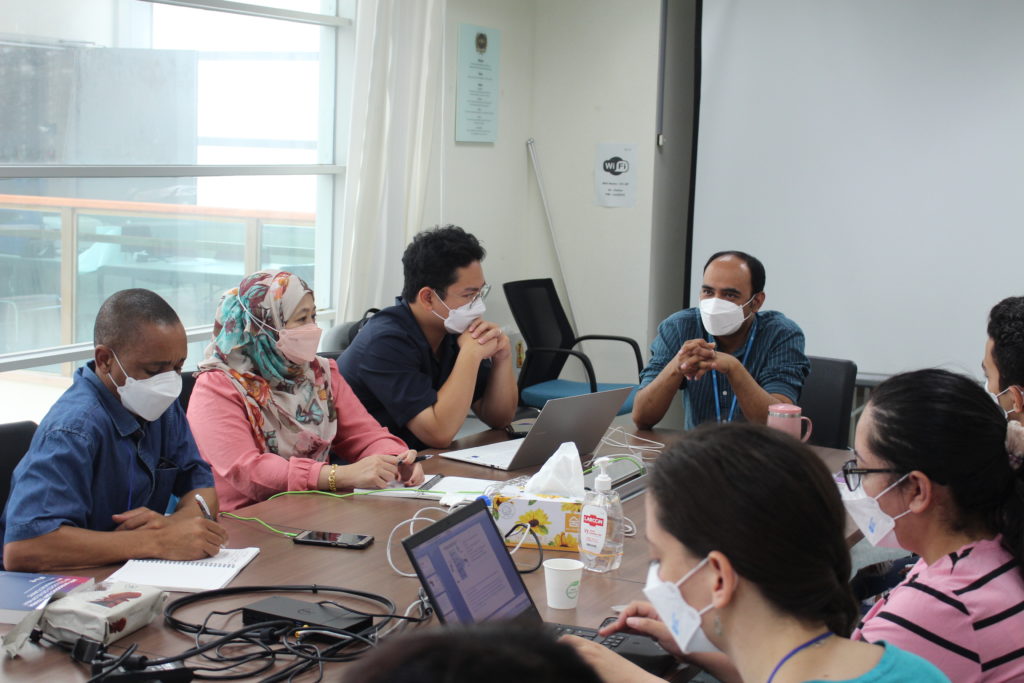
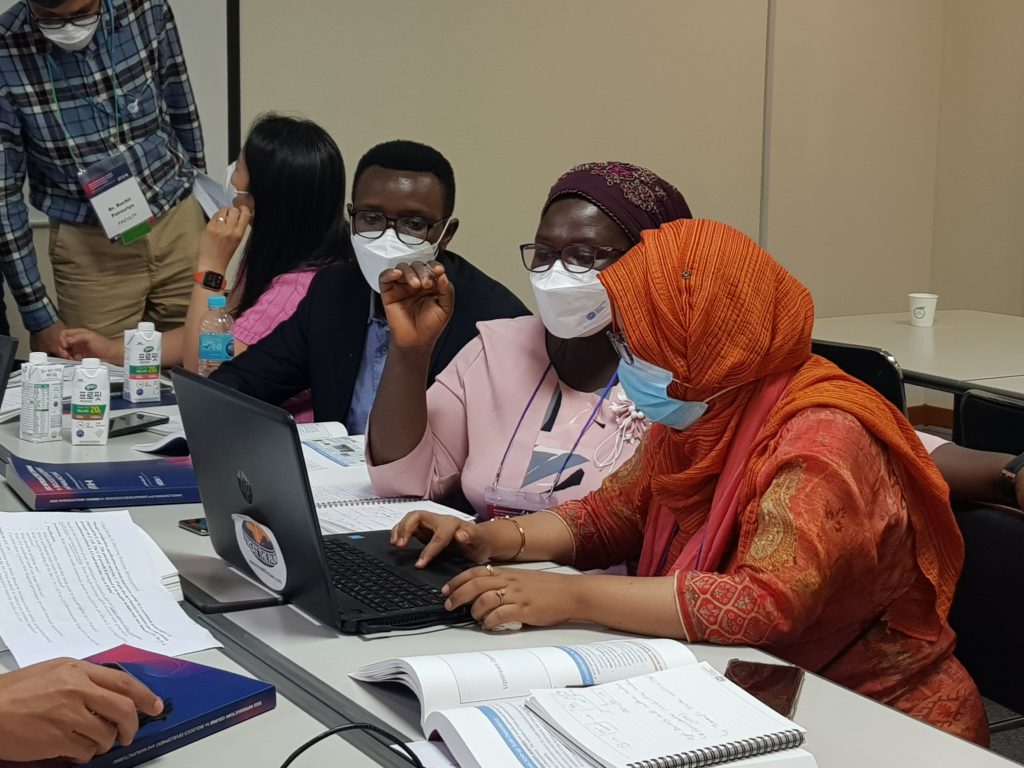
Webinar 2 concluded with a Group work exercise (with support from EVIPNet/K2P)
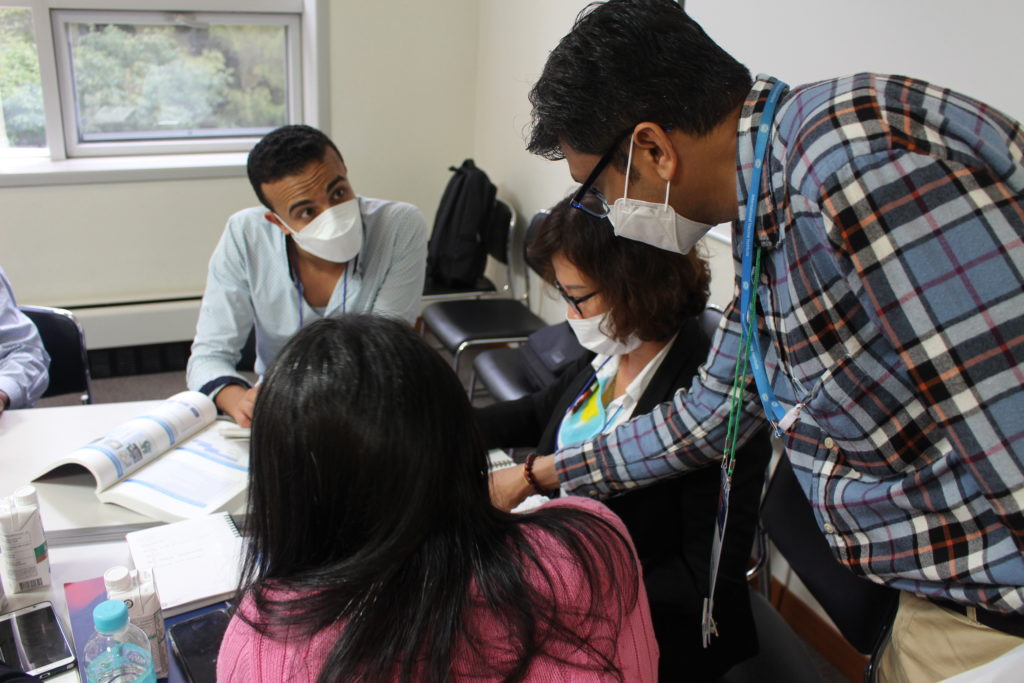
Group work was comprised of four groups – one for each country (including representatives from WHO country offices) – with the aim of:
- Mapping of the Political/Policy context
- AMR Stakeholder Mapping
A template was provided by facilitators with nine questions to capture the above details including: the issue; progress made in addressing the issue; previous related policies/laws/regulations; whether the issue is on the government agenda; windows of opportunity; requirements to reach the policy objective; how laws/regulations are implemented to this purpose; stakeholders involved; and the power interplay among/between stakeholders. The questions provided background information to enable completion of full ‘Stakeholder Mapping’ template (including stakeholder, description, name, power, interest).
- Presentation slides are available here